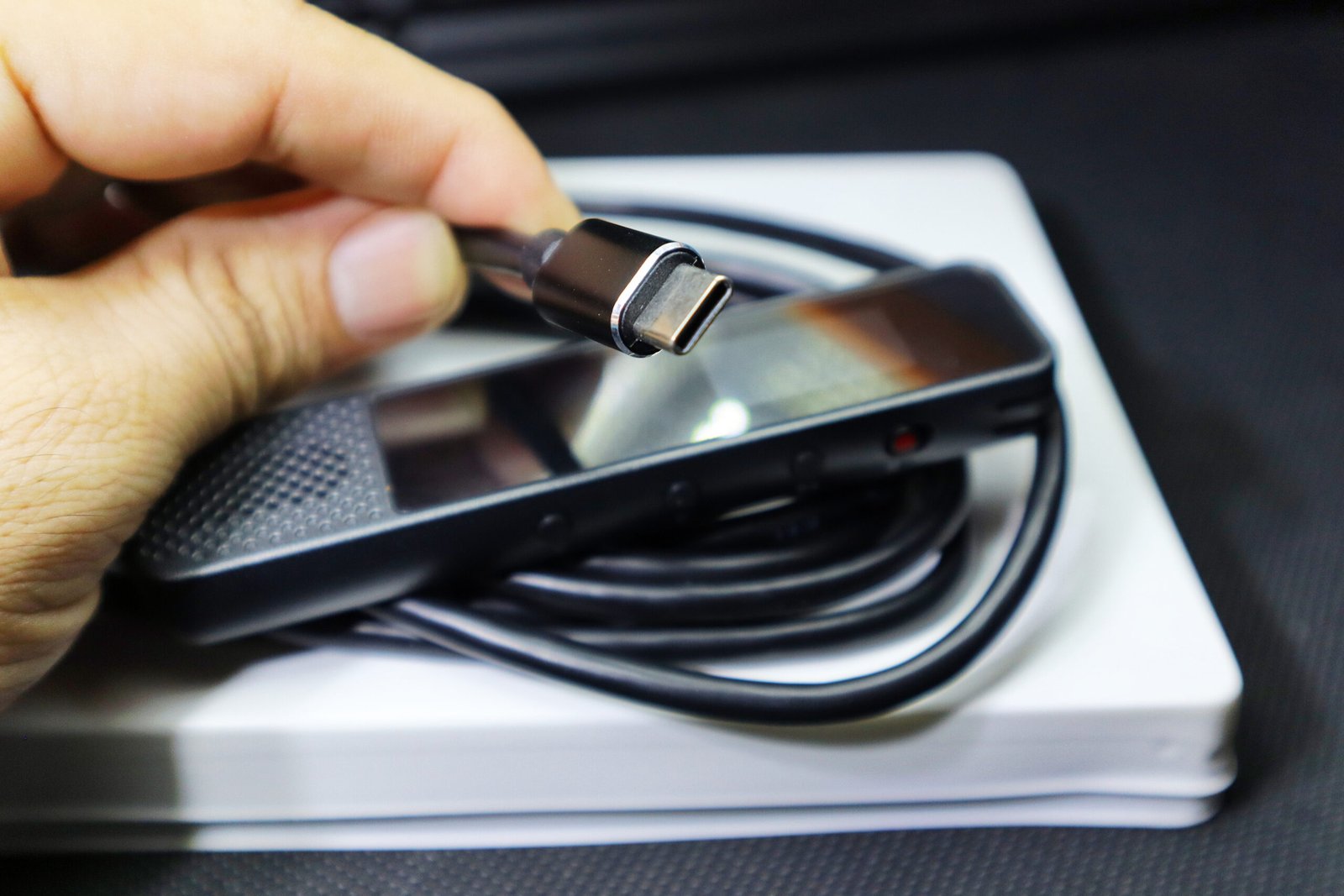
USB-C has become one of the most common charging connections for modern smartphones, tablets and
other devices — but not every USB-C cable is the same.
If you’re replacing an old charging cable, upgrading to faster charging or simply trying to understand the
difference between USB-A to USB-C and USB-C to USB-C, choosing the right cable can make a noticeable
difference.
USB-A to USB-C vs USB-C to USB-C
The connector on the other end of your cable determines what you can connect it to.
USB-A to USB-C cables are useful when you’re connecting a USB-C device to an older USB-A charging
adapter, laptop or other compatible port.
USB-C to USB-C cables connect USB-C devices to USB-C charging ports and are increasingly common with
newer charging adapters and devices.
The right choice depends on the ports available on your charger and the device you’re powering.
Does USB-C Mean Fast Charging?
Not necessarily.
Charging speed depends on several factors, including the cable, charger, device and supported charging
standards. A USB-C connection alone doesn’t guarantee maximum charging speed.
That’s why it’s important to choose a cable designed to work with your charging setup rather than simply
buying the cheapest option available.
What Makes a Good Charging Cable?
A good everyday charging cable should be:
Durable enough for regular use
Flexible and easy to carry
Compatible with your device and charger
Suitable for the charging performance you need
Reliable for everyday connectivity
•
•
•
•
•
1
Choosing the Right BOLTIX Cable
BOLTIX offers charging cables designed around different charging setups, including USB-A to USB-C and
USB-C to USB-C connections.
Whether you’re replacing a worn-out cable or upgrading your everyday charging setup, choosing the right
connection is the first step.
Shop BOLTIX Charging Cables